Blue Origin Lunar Lander Program: 6 Best Facts Revealed

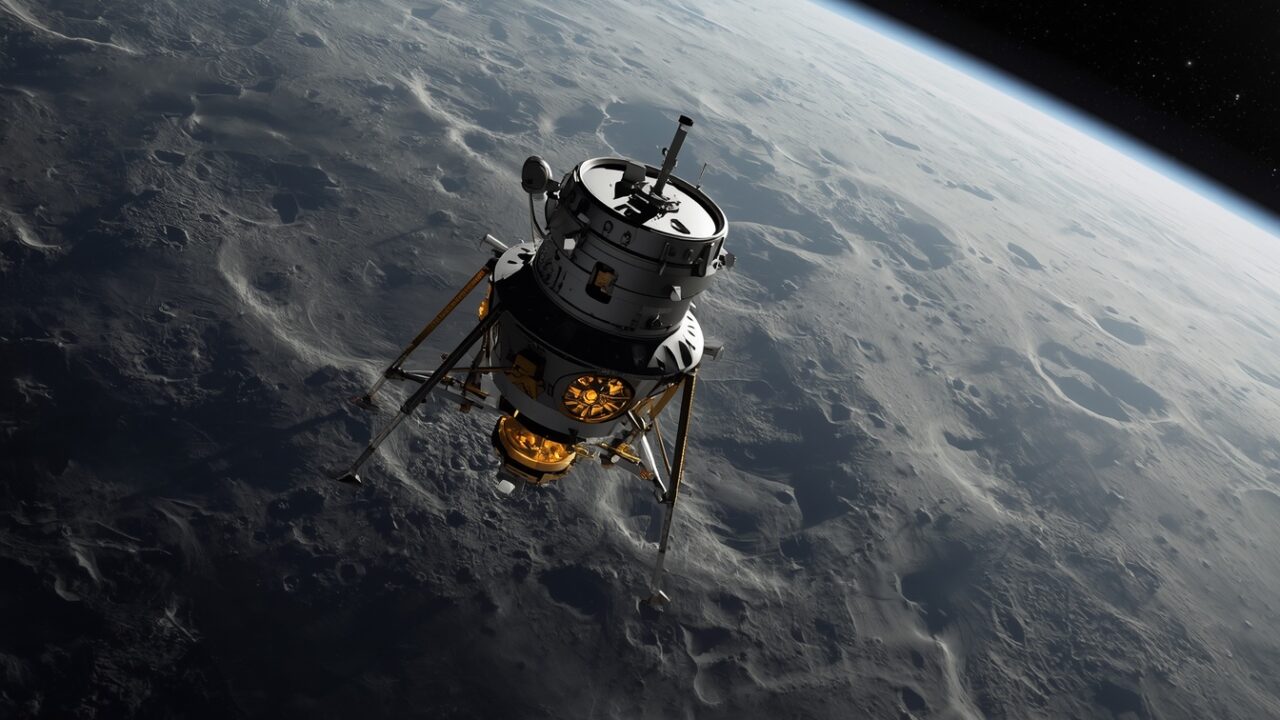
Blue Origin Lunar Lander Program:
NASA learned an important lesson from the Apollo era: relying on a single vehicle design for something as critical as lunar landing creates unnecessary risk. This is exactly why the Blue Origin lunar lander program exists alongside SpaceX’s competing design, giving NASA a backup option for carrying astronauts to the Moon’s surface.
1. The Lander Is Officially Named Blue Moon
Blue Origin’s contribution to Artemis carries the name Blue Moon, and this Blue Origin lunar lander design reflects the company’s own distinct engineering philosophy, differing significantly in architecture and mission profile from SpaceX’s competing Starship-based Human Landing System.
2. It Uses a More Traditional Lander Architecture
Unlike the massive, Mars-derived Starship approach, the Blue Origin lunar lander follows a more conventional multi-stage lander design, closer in concept to the general approach used during Apollo but scaled up considerably and updated with modern technology and safety systems.
3. A Team of Established Aerospace Companies Supports the Program
Blue Origin doesn’t develop its lunar lander entirely alone, partnering with established aerospace companies including Lockheed Martin, Northrop Grumman, and Draper to contribute specialized expertise across different subsystems of the Blue Origin lunar lander design.
4. It’s Slated for Later Artemis Missions
Under NASA’s 2026 plan, both SpaceX’s Starship and the lander are set to be tested with Orion on Artemis III in Earth orbit, giving NASA genuine redundancy and choice for the landing missions that begin with Artemis IV, rather than dependence on a single landing vehicle provider.
5. NASA Specifically Wanted Design Diversity
NASA’s decision to fund two different lunar lander approaches reflects a deliberate strategy, ensuring that if one Human Landing System encounters significant delays or technical problems, the program provides a genuinely independent alternative pathway to the lunar surface.
6. Uncrewed Testing Will Precede Crewed Flights
Just like its SpaceX counterpart, the lander must complete successful uncrewed demonstration missions before NASA certifies it safe enough to carry astronauts, following the same rigorous safety validation process required of any new crewed spacecraft.
Why Having Two Different Landers Makes the Program Stronger
The parallel development of both the lander and SpaceX’s Starship-based system directly addresses a vulnerability that didn’t exist during Apollo, when a single lunar module design carried the entire weight of mission success or failure for every crewed landing attempt.
This redundancy strategy costs more in the near term, requiring NASA to fund and manage two separate complex development programs simultaneously, but it significantly reduces the risk that a single technical setback or catastrophic failure could ground the entire Artemis crewed lunar landing program for years while a replacement vehicle gets developed from scratch.
How Blue Origin’s Approach Differs From SpaceX’s Philosophy
Where SpaceX has embraced an aggressive, rapid-iteration testing philosophy involving frequent prototype flights and public failures, the program has generally pursued a more traditional, incremental development approach, reflecting the company’s own distinct engineering culture and risk tolerance.
This difference in philosophy gives NASA genuinely complementary options rather than simply two versions of the same basic approach, potentially providing valuable insight into which development philosophy proves more effective for the unique challenges of crewed lunar landing systems as both programs mature over the coming years.
A 3.4 Billion Dollar Award
In May 2023, NASA selected Blue Origin to develop a second crewed lunar lander under a contract valued at about 3.4 billion dollars. Blue Origin and its partners committed significant additional funding of their own.
The team includes Lockheed Martin, Draper, Boeing, Astrobotic and Honeybee Robotics, bringing together experience from across the aerospace industry.
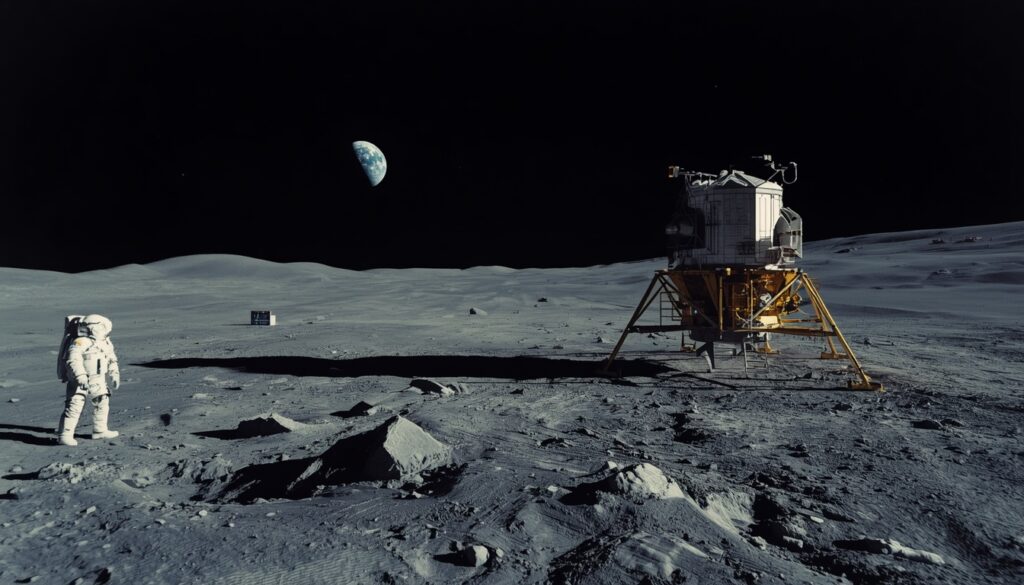
Blue Moon Mark 1
Before the crewed version, Blue Origin is developing Blue Moon Mark 1, a smaller uncrewed cargo lander. It is designed to deliver up to about three metric tons to the lunar surface and to test key technologies.
NASA plans to use a Blue Moon Mark 1 mission to deliver the VIPER rover under a commercial contract.
Liquid Hydrogen and Oxygen Engines
Blue Moon uses Blue Origin’s BE-7 engine, which burns liquid hydrogen and liquid oxygen. These propellants are highly efficient and could eventually be produced from lunar ice.
Storing liquid hydrogen for long periods is difficult, so Blue Origin is developing technology to keep it cold and prevent boil-off.
New Glenn as the Launch Vehicle
Blue Moon is designed to launch on New Glenn, Blue Origin’s heavy-lift rocket. New Glenn made its first flight in January 2025, reaching orbit, and later flights have worked on booster recovery.
New Glenn’s success is essential for Blue Moon’s schedule.
Refueling in Lunar Orbit
Blue Origin’s architecture includes a transporter spacecraft that would refuel Blue Moon in lunar orbit, allowing the lander to be reused for multiple missions. This approach aims to reduce costs over time.
Like SpaceX’s approach, it depends on proving in-space refueling.
Competition Drives Progress
Having two lander providers encourages both companies to meet deadlines and improve designs. It also protects NASA if one lander faces delays or technical problems.
This strategy reflects lessons learned from commercial crew programs, where multiple providers improved reliability.
Blue Origin’s Long-Term Vision
Blue Origin founder Jeff Bezos has described a long-term vision of millions of people living and working in space. Blue Moon is a step toward that vision, aiming to establish reliable transportation to the lunar surface. Whether that vision is realized, the lander could play a key role in making lunar access routine.
Following Blue Moon’s Progress
The first uncrewed Blue Moon Mark 1 landing will be an important milestone. A successful landing would demonstrate precision navigation, engine performance and landing systems needed for the crewed version.
Blue Origin’s Lunar Heritage Partners
For its crewed lander bid, Blue Origin assembled a team that includes Lockheed Martin, Draper, Boeing, Astrobotic and Honeybee Robotics. Draper, which designed the Apollo guidance computer, brings deep experience in lunar navigation. Combining established aerospace firms with newer companies gives the Blue Moon program a broad base of expertise.
The Mark 1 Cargo Pathfinder
Blue Moon Mark 1 is an uncrewed cargo lander designed to deliver up to about three tonnes to the lunar surface. Blue Origin has described it as a pathfinder that will prove key technologies, including precision landing and its BE-7 engine, before the larger crewed version flies. Success with Mark 1 would build confidence in the company’s approach and give NASA an additional way to deliver equipment to the Moon.
The BE-7 Engine
Blue Origin’s BE-7 engine burns liquid hydrogen and liquid oxygen and can be throttled to control descent. The company has test-fired it many times at its facilities.
Keep exploring with our guides to Human Landing System SpaceX Starship, SpaceX Starship human rating certification and SLS rocket for Artemis missions. For official information, visit NASA’s Artemis program page.
Frequently Asked Questions
What is Blue Origin’s lunar lander called?
Blue Moon, the company’s contribution to NASA’s Human Landing System program.
Why does NASA have two different lunar landers?
To provide redundancy, ensuring a backup option exists if one provider faces significant delays or technical problems.
Which companies are helping Blue Origin build this lander?
Lockheed Martin, Northrop Grumman, and Draper are among the partners contributing expertise.
When will the Blue Origin lunar lander be used?
It is set to be tested with Orion on Artemis III in 2027 and could carry crews on landing missions from Artemis IV onward.
Will Blue Moon undergo uncrewed testing first?
Yes, an uncrewed demonstration landing is required before any crewed mission using the lander.