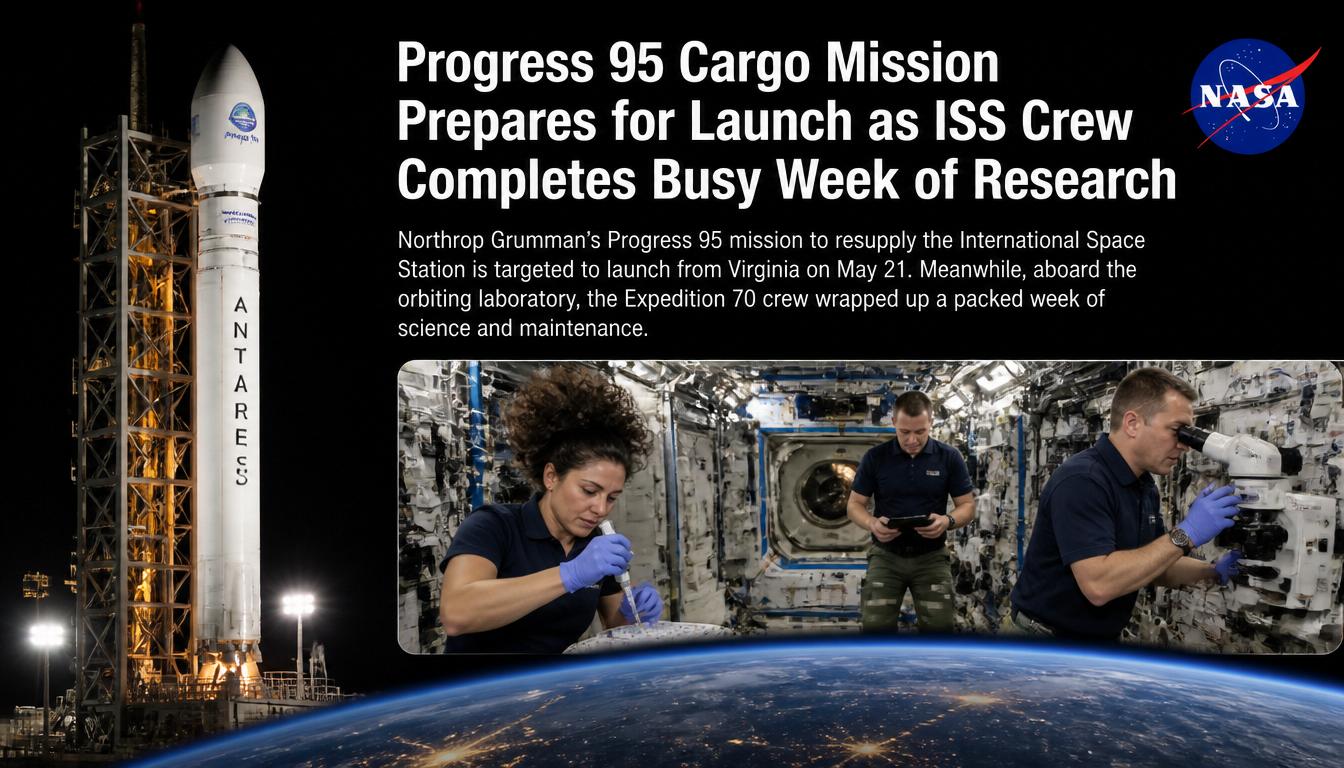
Progress 95 Cargo Mission Prepares for Launch as ISS Crew Completes Busy Week of Research
Progress 95 Cargo Mission Prepares for Launch as ISS Crew Completes Busy Week of Research Life aboard the International Space…
Category · ISS
Progress 95 Cargo Mission Prepares for Launch as ISS Crew Completes Busy Week of Research Life aboard the International Space…

Biotechnology Research on the ISS Could Revolutionize Cancer and Heart Treatments in 2026 The International Space Station (ISS) continues to…
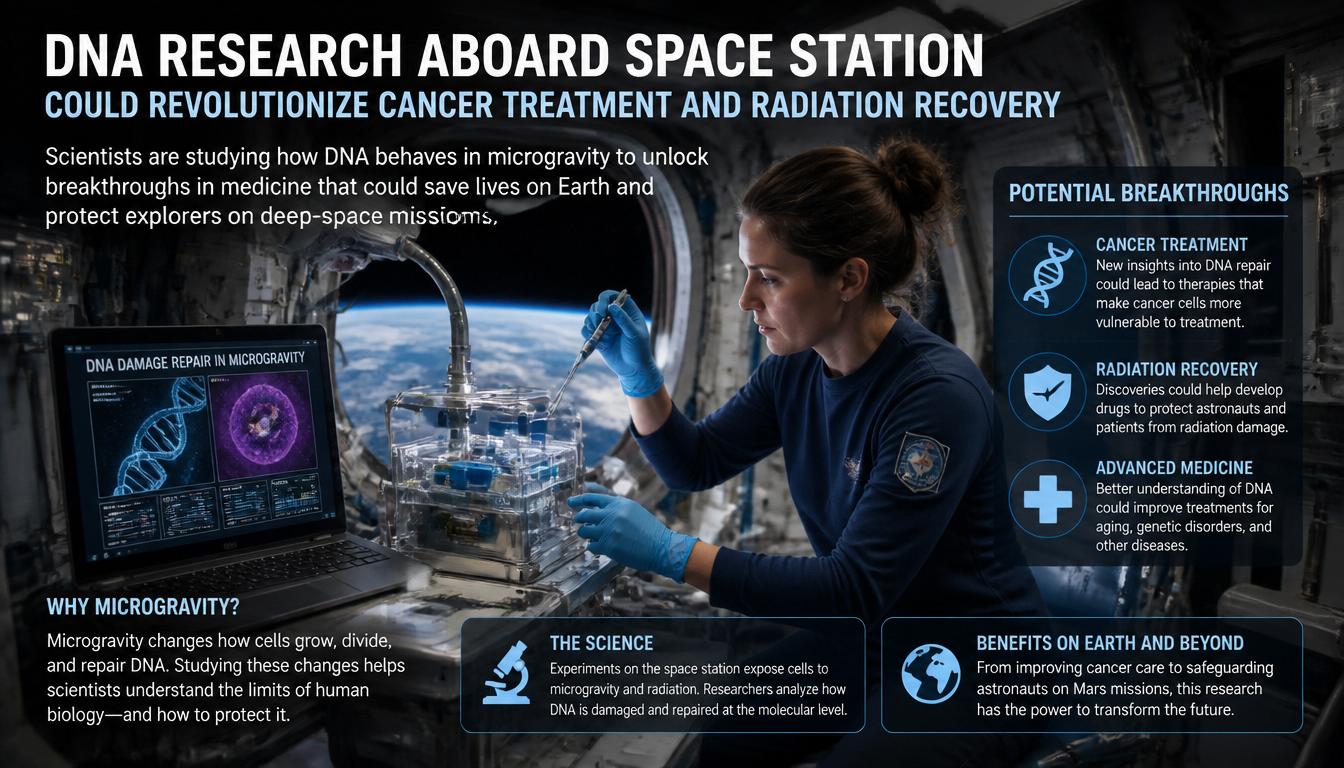
DNA Research Aboard Space Station Could Revolutionize Cancer Treatment and Radiation Recovery in 2026 The International Space Station continues to…

Crew Studies Biotechnology in Space to Improve Human Health and Boost the Space Economy in 2026 The International Space Station…
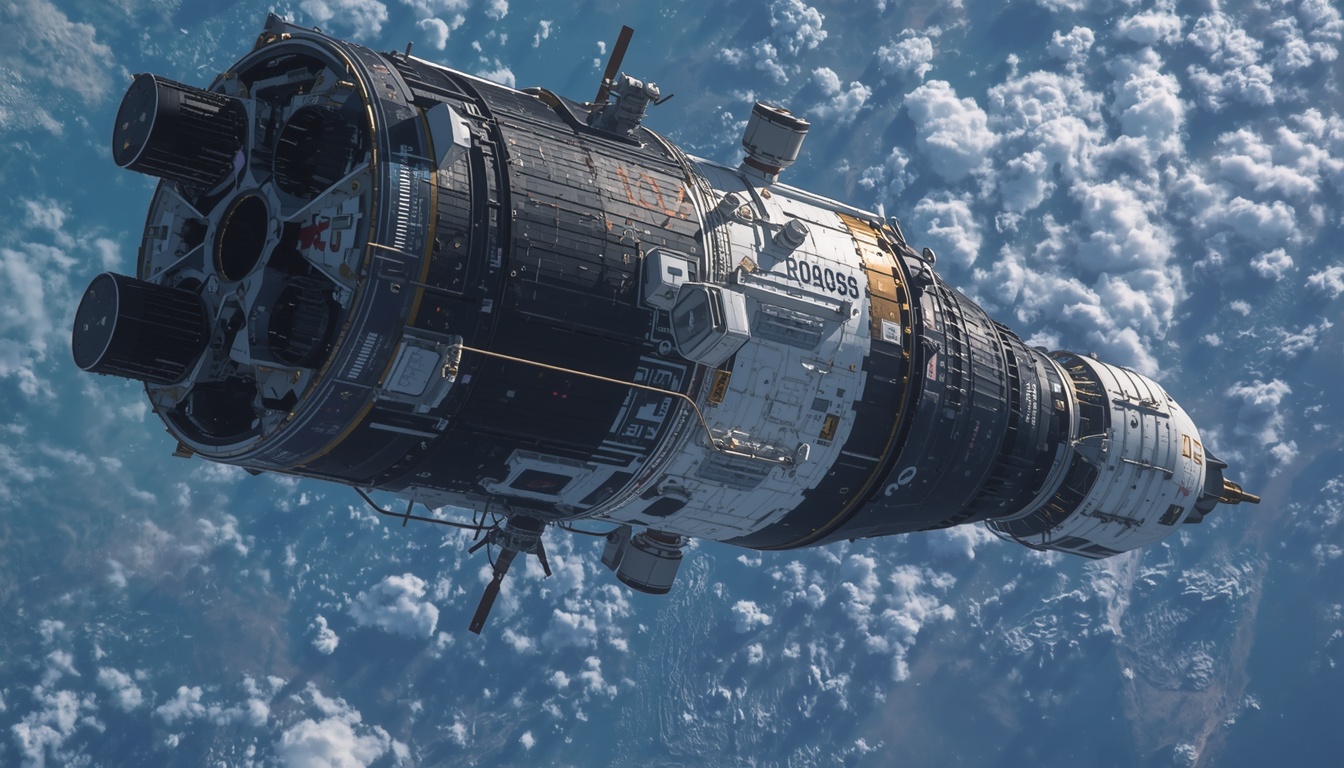
Roscosmos Progress 93 Cargo Spacecraft Successfully Ends Mission After Leaving the International Space Station Introduction The International Space Station continues…
Briefing · FAQ
Artemis II already flew. NASA's Space Launch System lifted off from Kennedy Space Center on April 1, 2026, sending four astronauts on a crewed flight around the Moon aboard Orion. The crew splashed down in the Pacific off San Diego on April 10, 2026, completing humanity's first lunar voyage since Apollo 17.
The four-person crew is NASA commander Reid Wiseman, pilot Victor Glover and mission specialist Christina Koch, joined by Canadian Space Agency astronaut Jeremy Hansen. Glover became the first person of color, Koch the first woman and Hansen the first non-American to travel around the Moon.
A crewed trip to the Moon takes about three days. Apollo astronauts typically reached lunar orbit in roughly 72 to 76 hours, covering about 240,000 miles. Artemis II took longer overall because Orion first checked out its systems in high Earth orbit, and its free-return path around the far side stretched the mission to nearly ten days.
Since 2022, Webb has spotted some of the earliest galaxies ever seen, formed less than 300 million years after the Big Bang. It has detected carbon dioxide, water vapor and other molecules in exoplanet atmospheres, revealed unexpected "little red dot" objects in the early universe, and captured record-sharp infrared images of star-forming nebulae.
NASA plans to retire the ISS around 2030 and guide it into a controlled reentry over a remote stretch of the Pacific Ocean, likely in 2031. A SpaceX-built U.S. Deorbit Vehicle will steer it down so surviving debris falls safely at sea. Commercial space stations are expected to take over research in low Earth orbit.