Roscosmos Progress 93 Cargo Spacecraft Successfully Ends Mission After Leaving the International Space Station

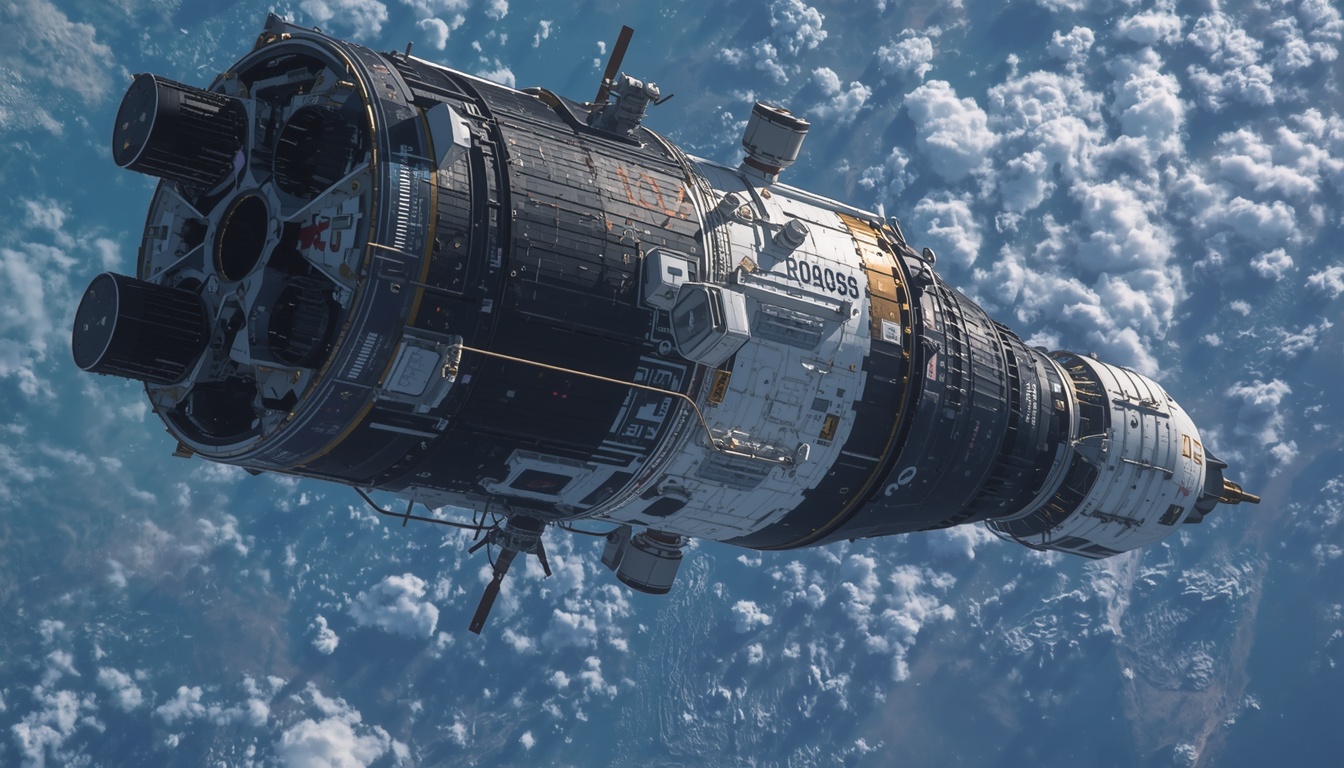
Roscosmos Progress 93 Cargo Spacecraft Successfully Ends Mission After Leaving the International Space Station
Introduction
The International Space Station continues operating as one of humanity’s most important scientific laboratories in orbit. Every mission to and from the station plays a major role in keeping astronauts supplied with food, fuel, scientific equipment, and life-support resources.
One of those missions recently came to an end when the Progress 93 cargo spacecraft successfully undocked from the ISS after spending more than seven months attached to the orbital laboratory.
The spacecraft departed the station carrying waste and obsolete equipment before beginning a planned reentry into Earth’s atmosphere where it safely burned up over the South Pacific Ocean.
This mission highlights how international cargo operations are essential for maintaining life and research aboard the space station.
Progress 93 Successfully Undocks from the ISS
Progress 93 officially undocked from the Zvezda service module at 6:08 p.m. EDT. After disconnecting from the station, the cargo spacecraft slowly backed away from the ISS before preparing for its deorbit maneuver.
The undocking procedure was completely automated and monitored by mission controllers on Earth.
Key Mission Events Included:
- Automated hatch closure
- Pressure and leak checks
- Docking hook release
- Controlled spacecraft separation
- Deorbit engine firing
- Atmospheric reentry
What Was the Purpose of Progress 93?
The Progress spacecraft is designed to transport critical supplies to astronauts living aboard the ISS.
Progress 93 delivered:
- Food supplies
- Fuel for station operations
- Scientific equipment
- Water and oxygen resources
- Crew support hardware
After unloading cargo, astronauts filled the spacecraft with trash and unnecessary materials before its departure.
This makes Progress vehicles highly efficient because they both deliver supplies and remove waste.
Launch and Arrival of the Cargo Mission
Progress 93 was initially launched in September 2025 on a Soyuz rocket from the Baikonur Cosmodrome in Kazakhstan.
The spacecraft completed a two-day orbital journey before automatically docking to the aft port of the Zvezda service module.
Why Automatic Docking Matters
Modern Russian cargo spacecraft use automated navigation systems to:
- Track the ISS position
- Adjust flight paths
- Control docking speed
- Connect safely without manual piloting
This reduces crew workload and improves operational safety.
Importance of Cargo Spacecraft for the ISS
The ISS depends heavily on regular cargo missions.
Without resupply missions:
- Food would run out
- Scientific research would stop
- Water systems would be limited
- Maintenance equipment would become unavailable
Cargo spacecraft keep the station operational year-round.
Different Cargo Vehicles Supporting the ISS
Several spacecraft regularly support the ISS, including:
- Progress spacecraft from Roscosmos
- Cygnus XL from Northrop Grumman
- Dragon spacecraft from SpaceX
- HTV cargo ships from JAXA
Each spacecraft serves different purposes depending on mission needs.
Why Cargo Ships Burn Up After Missions
Unlike reusable spacecraft, Progress vehicles are intentionally destroyed during reentry.
This process:
- Safely disposes of station trash
- Prevents orbital debris buildup
- Removes unusable equipment
- Frees docking ports for future missions
The spacecraft reenters over remote ocean regions to ensure public safety.
The Role of the Zvezda Service Module
Progress 93 remained docked to the Zvezda service module during its mission.
The Zvezda module is one of the most important parts of the Russian segment of the ISS.
It supports:
- Crew living quarters
- Navigation systems
- Communication systems
- Docking operations
- Propulsion support
Without Zvezda, many ISS functions would not operate properly.
Expedition 74 Continues Research Operations
While cargo activities were ongoing, the Expedition 74 crew stayed actively engaged in performing scientific experiments.
Research aboard the ISS currently focuses on:
- Human health in space
- Plant growth systems
- Space medicine
- Robotics and AI
- Earth observation
The arrival and departure of cargo spacecraft allow these experiments to continue without interruption.
How Space Cargo Missions Support Future Exploration
Cargo missions are not just about supplying the ISS.
They also help scientists prepare for future missions to:
- The Moon
- Mars
- Deep-space stations
Future exploration missions will require advanced cargo delivery systems capable of operating far from Earth.
Importance of Waste Management in Space
One of the less-discussed but essential parts of space operations is waste disposal.
Astronauts generate waste from:
- Food packaging
- Used equipment
- Scientific materials
- Clothing and supplies
Cargo spacecraft like Progress safely remove this waste from orbit.
The Future of Cargo Spacecraft Technology
Modern cargo systems continue to evolve with improvements such as:
- Increased payload capacity
- Better automation
- Enhanced docking systems
- More efficient propulsion
Future spacecraft may also include reusable cargo technologies for lunar and Martian missions.
International Cooperation in Space Missions
The ISS is one of the best examples of international cooperation.
Multiple agencies work together, including:
- NASA
- Roscosmos
- European Space Agency
- Japan Aerospace Exploration Agency
Cargo missions from different countries ensure continuous station operations.
Why the ISS Remains Important
More than two decades after its creation, the ISS remains critical for:
- Scientific research
- Human health studies
- Space technology testing
- Future mission preparation
Every cargo mission contributes directly to these goals.
Conclusion
The departure of Progress 93 marks the successful completion of another important ISS cargo mission. From delivering supplies to removing waste, the spacecraft played a vital role in supporting astronauts and scientific operations aboard the orbiting laboratory.
As future missions to the Moon and Mars approach, cargo spacecraft technology developed through ISS operations will continue shaping humanity’s future in space.
Frequently Asked Questions (FAQs)
What was Progress 93?
Progress 93 was a Russian cargo spacecraft that delivered supplies to the ISS.
How long was Progress 93 docked to the ISS?
It remained docked for about seven months.
Why did the spacecraft burn up in Earth’s atmosphere?
It was intentionally destroyed to safely dispose of waste and obsolete equipment.
What supplies did Progress 93 deliver?
It delivered food, fuel, water, equipment, and scientific supplies.
What is the Zvezda service module?
It is a Russian ISS module that supports living quarters, docking, and propulsion systems.
Why are cargo spacecraft important?
They keep astronauts supplied and support ongoing scientific research.
What happens during a deorbit maneuver?
The spacecraft fires its engines to lower its orbit and reenter Earth’s atmosphere.
Are Progress spacecraft reusable?
No, they are designed for one-time missions and burn up after use.
Which countries support ISS cargo missions?
The United States, Russia, Europe, and Japan all contribute cargo missions.
How do cargo missions help future Moon and Mars missions?
They help develop logistics and supply systems needed for deep-space exploration.

1 comment