Artemis 3 Moon Landing Revealed: Why It Became a Smarter 2027 Test Flight

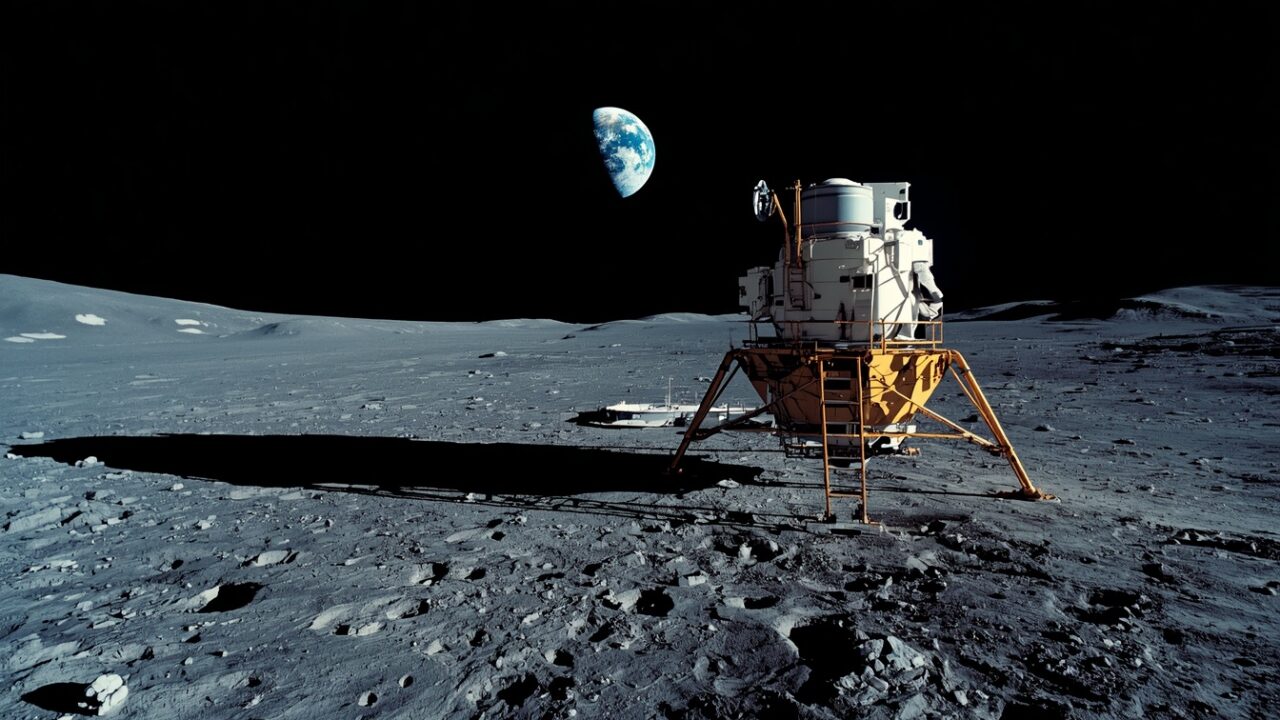
Artemis 3 Moon Landing Explained:
For years, the Artemis 3 moon landing was pitched as the mission that would put astronauts back on the lunar surface for the first time since 1972. That plan changed on 27 February 2026, when NASA redesigned the Artemis program. Artemis III will still fly with four astronauts in 2027, but it will stay in low Earth orbit. The first landing of the Artemis era has moved to Artemis IV, targeted for 2028.
If you searched for this mission expecting a landing date, here is what actually happens now, why NASA made the switch, and what it means for the return to the Moon.
What Changed in February 2026
NASA announced that Artemis III would become a test flight rather than a surface mission. The crew will launch on the Space Launch System and Orion from Kennedy Space Center, then rendezvous and dock with one or both commercial lunar landers being built by SpaceX and Blue Origin while everything is still close to Earth.
The agency also said it would keep the SLS in its Block 1 configuration for the landing missions that follow, rather than moving to a larger upgraded version. On Artemis III, a spacer with no propulsion will stand in for the upper stage dimensions, since the rocket does not need to push Orion toward the Moon.
Why NASA Chose a Test Flight First
The biggest unknowns in the old plan were the landers. SpaceX’s Starship lander needs many tanker flights to refuel in orbit before it can head to the Moon, and Blue Origin’s Blue Moon lander is still in development. Trying docking, crew transfer and new systems for the first time in lunar orbit, days away from home, carried a lot of risk.
Testing those steps in low Earth orbit lets NASA check how Orion and a lander dock, how the crew moves between them, and how life support, communications and propulsion perform together. If something goes wrong, the crew is hours from Earth rather than days.
What the Artemis III Crew Will Test
According to NASA, the mission will focus on four areas:
· Rendezvous and docking between Orion and a commercial lander, the first time the two vehicles will fly together.
· Life support and communications during a longer stay in Orion than on Artemis II.
· Propulsion systems that the later landing missions will rely on.
· The new xEVA spacesuits being developed by Axiom Space for walking on the Moon.
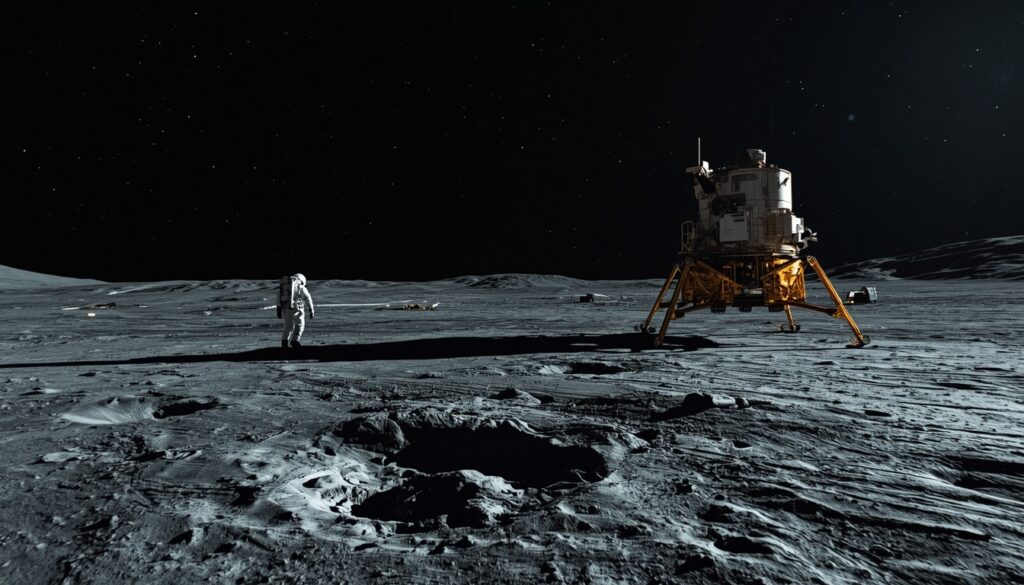
Artemis II Already Cleared the Way
Artemis II flew in April 2026, launching on 1 April and splashing down in the Pacific on 10 April. Reid Wiseman, Victor Glover, Christina Koch and Canadian astronaut Jeremy Hansen looped around the far side of the Moon in the Orion spacecraft Integrity and travelled farther from Earth than any humans before them. That flight proved Orion can safely carry people to the Moon and back, which is why the next step is testing the landers.
So When Is the Actual Moon Landing?
The landing now belongs to Artemis IV, which NASA targets for 2028 near the lunar south pole. After that, the agency has committed to at least one crewed surface landing every year. The south pole remains the destination because permanently shadowed craters there are thought to hold water ice, which future crews could turn into drinking water, oxygen and rocket fuel.
NASA has also shifted money toward a long-term lunar surface base. In March 2026 it paused the Gateway lunar space station in its planned form and redirected funding toward surface infrastructure, starting with many uncrewed cargo landings before and around the first crewed touchdown.
What This Means for the Race With China
China is working toward its own crewed landing before 2030 with the Long March 10 rocket and the Lanyue lander. Some experts worry that adding a test flight delays the American landing. NASA’s argument is the opposite: proving the landers in Earth orbit first should reduce the chance of a failure or a longer delay later, keeping a 2028 landing realistic.
Key Dates at a Glance
· Artemis I: uncrewed test around the Moon, November to December 2022.
· Artemis II: first crewed flight around the Moon, April 2026.
· Artemis III: crewed docking test with commercial landers in low Earth orbit, targeted for 2027.
· Artemis IV: first Artemis crewed landing near the lunar south pole, targeted for 2028.
Final Thoughts
The Artemis 3 moon landing as originally imagined will not happen, but the mission still matters. It is now the dress rehearsal that has to go right before anyone steps onto the Moon again. Watch the lander test flights and the Artemis III crew announcement over the coming year, because they will decide whether the 2028 landing date holds.
Keep exploring with our guides to VIPER lunar rover mission, Moon south pole geography and Artemis Base Camp concept explained. For official information, visit NASA’s Artemis program page.
Frequently Asked Questions
Will Artemis 3 land on the Moon?
No. Since NASA’s February 2026 update, Artemis III is a crewed test flight in low Earth orbit. The first Artemis landing is planned for Artemis IV in 2028.
When will Artemis III launch?
NASA is targeting 2027. Exact timing depends on the readiness of the SpaceX and Blue Origin landers it will dock with.
Why did NASA change the Artemis III mission?
To test docking, crew transfer, life support and new spacesuits close to Earth before risking them on a real lunar landing.
Did Artemis II go to the Moon?
Yes. Artemis II flew around the Moon in April 2026 with four astronauts and returned safely on 10 April.
Where will astronauts land on the Moon?
Near the lunar south pole, where water ice is believed to be trapped in permanently shadowed craters.
1 comment