Human Landing System SpaceX Starship: 7 Critical Facts

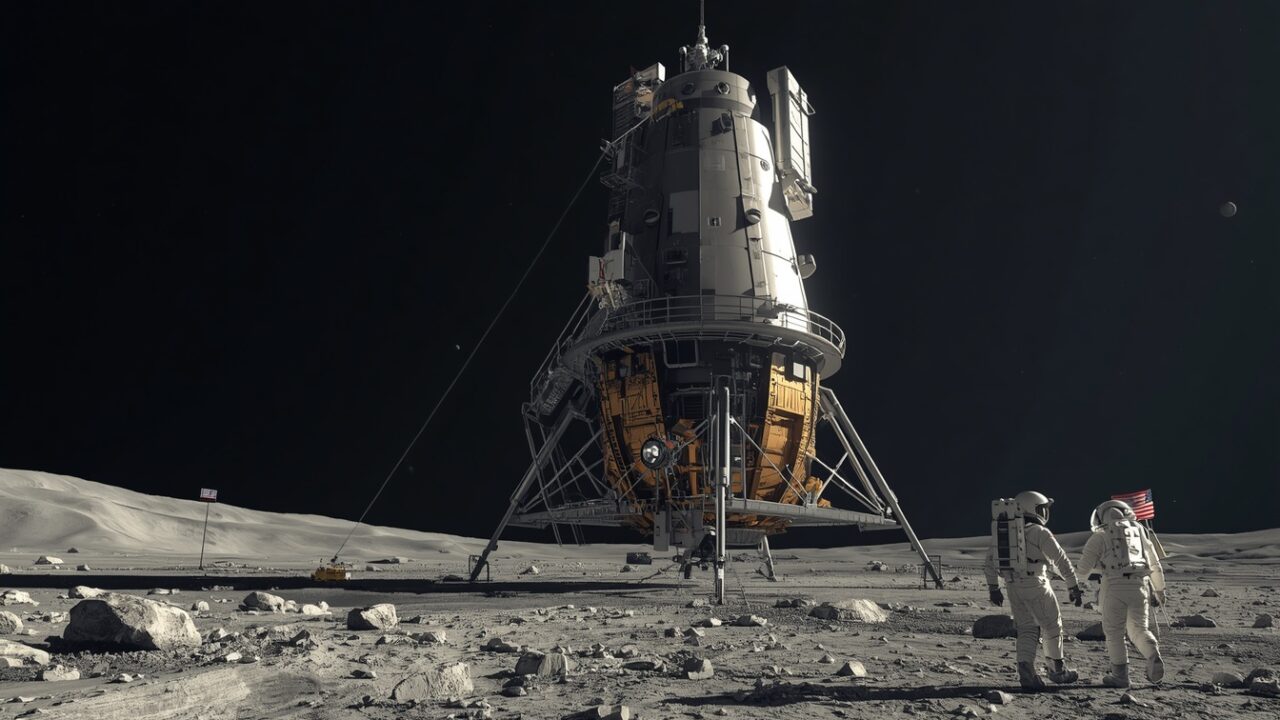
Human Landing System SpaceX Starship:
Getting astronauts from lunar orbit down to the Moon’s surface requires an entirely different vehicle than the one that carries them from Earth. NASA’s selection of the Human Landing System SpaceX Starship contract represents one of the most consequential engineering decisions in the entire Artemis program.
1. NASA Selected Starship Through a Competitive Process
The Human Landing System SpaceX Starship award came after a competitive selection process where NASA evaluated multiple proposals from different companies, ultimately choosing SpaceX’s Starship-based design alongside a later separate award to Blue Origin for a second lander option.
2. The Lander Version Differs From Standard Starship
While built on the same basic Starship platform used for Earth orbit and Mars ambitions, the Human Landing System SpaceX Starship variant includes lunar-specific modifications, including specialized landing legs, airlock systems, and elevator mechanisms designed for astronauts to descend safely to the lunar surface.
3. In-Orbit Refueling Is Essential to the Mission Profile
Because Starship’s mass and design require significant fuel reserves, the mission architecture depends on multiple tanker flights refueling the lunar lander while it waits in Earth orbit before it can travel to the Moon.
4. It Offers Significantly More Cabin and Storage Space
Compared to the cramped lunar module used during Apollo missions, the variant offers dramatically more interior space, allowing astronauts room to move around, store equipment, and potentially conduct science activities inside the lander itself between surface excursions.
5. Uncrewed Testing Precedes Any Crewed Landing
Before any astronaut boards it for an actual mission, the lander must complete a fully uncrewed demonstration landing on the lunar surface, proving the vehicle’s landing systems function correctly without risking human lives during this critical testing phase.
6. The Vehicle Will Remain on the Moon After Each Mission
Unlike the Apollo lunar module’s ascent stage, which discarded the descent stage on the surface but itself returned to orbit, the design involves the entire vehicle either remaining on the Moon or being reused for subsequent missions depending on the specific mission architecture NASA ultimately finalizes.
7. Its Success Is Tied to Broader Starship Development
Because the shares core technology with SpaceX’s broader Starship program, including its Mars ambitions, progress or setbacks in the vehicle’s general development directly affect the timeline for its specific lunar landing capability.
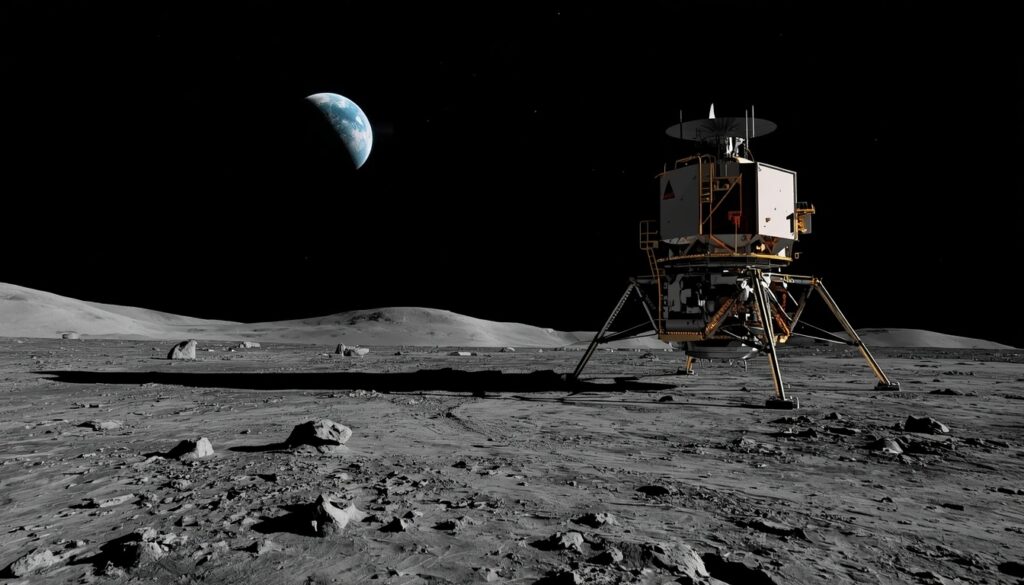
Why This Vehicle Represents Such a Major Departure From Apollo
The scale difference between the lander and Apollo’s lunar module is almost difficult to comprehend, with Starship standing many times taller and offering vastly greater payload capacity than the relatively small, purpose-built Apollo lander that carried only two astronauts for brief surface stays.
This dramatic scale increase reflects NASA’s broader ambitions for Artemis compared to Apollo, planning for extended surface stays, larger crews, and substantially more cargo capacity to support scientific equipment and eventually permanent base infrastructure rather than simply proving humans could reach the lunar surface and return safely.
A Contract Worth Billions
NASA awarded SpaceX a contract worth about 2.9 billion dollars in April 2021 to develop Starship as the Human Landing System for the first Artemis landing. The contract was later expanded with an option for a second crewed landing on a later mission.
The award was challenged by Blue Origin and Dynetics, but the Government Accountability Office and a federal court upheld NASA’s decision. The lander remains the primary lander for NASA’s first Artemis landings.
An Elevator to the Surface
Starship’s lander version stands about 50 meters tall, far taller than the Apollo lunar module. To reach the surface, astronauts will ride an elevator down from the crew cabin near the top of the vehicle.
This design reflects Starship’s size and its origins as a vehicle for large cargo and crew loads.
Landing Engines Near the Top
To avoid kicking up dust and debris directly beneath the vehicle during final descent, the lunar Starship includes thrusters placed higher on the body for the last phase of landing. These thrusters reduce the risk of damaging the vehicle or nearby equipment.
Landing a vehicle of this size on uneven lunar terrain is a major engineering challenge.
Flight Testing Progress
Starship has gone through a series of integrated flight tests from SpaceX’s Starbase facility in Texas, with both failures and successes. Some flights ended in explosions, while others successfully demonstrated booster catches and controlled ship reentries.
Each test provides data to improve the design, but the lunar version still requires further milestones, including orbital refueling and an uncrewed lunar landing.
Tanker Flights Required
Estimates of how many tanker launches are needed to fuel a lunar Starship have varied, with public figures ranging from around ten to more than a dozen. The exact number depends on vehicle performance improvements.
Launching so many vehicles quickly requires high reliability and fast turnaround, which SpaceX aims to achieve through reusability.
Why Size Matters
Starship’s large cabin and cargo capacity could allow astronauts to bring more equipment, conduct more science and stay longer on the surface. It could also deliver heavy cargo, such as habitats and rovers.
This capacity could transform lunar exploration if the vehicle proves reliable.
What Astronauts Will Experience
Astronauts will transfer from Orion to Starship in lunar orbit, ride the lander to the surface and live aboard it during their stay. The spacious cabin offers far more room than Apollo astronauts had, which could make multi-day surface missions more comfortable and productive.
The Risks and Rewards of This Ambitious Approach
Selecting such a technically ambitious vehicle for the contract carries genuine risk, given the vehicle’s reliance on still-unproven technologies like in-orbit refueling at scale, but the potential reward includes dramatically more capable lunar missions than a more conservative, Apollo-inspired lander design would have allowed.
NASA’s willingness to accept this risk reflects a calculated bet that the long-term benefits of a genuinely reusable, high-capacity lunar transportation system outweigh the near-term uncertainty of relying on a vehicle still completing its fundamental development and testing milestones.
The Bottom Line
Starship offers huge capability but depends on unproven technologies like orbital refueling. Its success or delay will largely decide when astronauts next walk on the Moon.
Keep exploring with our guides to Starship tanker refueling technology, Blue Origin lunar lander and SpaceX Starship human rating certification. For official information, visit SpaceX’s official site.
Frequently Asked Questions
What is the Human Landing System SpaceX Starship?
SpaceX’s Starship vehicle, modified for lunar landings, selected by NASA to carry Artemis astronauts to the Moon’s surface.
Does the lunar lander require refueling?
Yes, it depends on multiple tanker flights refueling it in Earth orbit before traveling to the Moon.
Will there be an uncrewed test landing first?
Yes, NASA requires a fully uncrewed demonstration landing before any crewed mission.
How does it compare to the Apollo lunar module?
It offers dramatically more interior space and payload capacity than Apollo’s much smaller lander.
Is SpaceX the only Human Landing System provider?
No, Blue Origin also received a separate contract to develop an alternative lunar lander for later Artemis missions.
1 comment