Lunar Gateway Power and Propulsion: 5 Best Shocking Updates

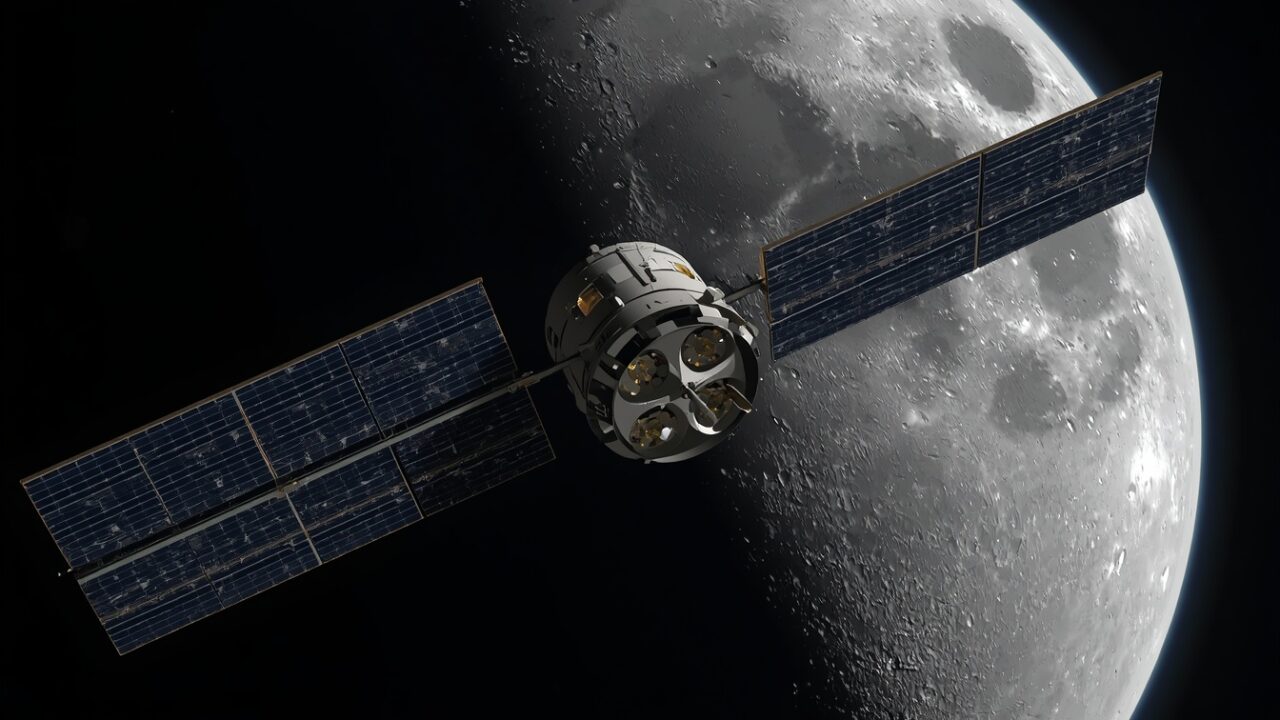
Lunar Gateway power and propulsion:
The Power and Propulsion Element, usually called PPE, was designed to be the engine room of NASA’s Gateway lunar space station. It would generate electricity and keep the station in its orbit around the Moon. In March 2026, NASA paused Gateway in its planned form, but the lunar Gateway power and propulsion module still matters because of where the technology is going next.
1. What the PPE Was Built to Do
The PPE was meant to be the first Gateway module, launching together with the HALO habitat. Its jobs were to supply power to the station, keep it pointed correctly, handle communications with Earth and nudge it along its path around the Moon.
2. It Uses Solar Electric Propulsion
Instead of burning large amounts of chemical fuel, the PPE uses big solar arrays to power electric thrusters that accelerate xenon gas. This produces very gentle thrust but uses far less propellant, which makes it ideal for small, continuous orbit adjustments over many years. At around 60 kilowatts, it was designed to be one of the most powerful solar electric spacecraft ever built.
3. The Thrusters Come From Proven Designs
The spacecraft combines large Advanced Electric Propulsion System Hall thrusters developed for NASA with smaller commercial thrusters. Maxar Technologies was selected in 2019 to build the PPE, basing it on its commercial satellite platform.
4. The Orbit It Was Designed For
Gateway was planned for a near-rectilinear halo orbit, a long, stretched loop that keeps the station in view of Earth and passes over the lunar south pole. NASA’s small CAPSTONE CubeSat tested this orbit starting in 2022. The PPE’s efficient thrusters are well suited to the small corrections this orbit needs.
5. Why NASA Paused Gateway
On 25 March 2026, NASA announced it would pause Gateway in its current form and redirect resources toward a lunar surface base. The agency had already changed Artemis III into an Earth-orbit test flight a month earlier, and its leadership argued that a permanent surface presence offers more value, especially with China aiming for a crewed landing before 2030.
6. The PPE Is Being Repurposed for Mars
Rather than scrapping the hardware, NASA said the PPE would be reallocated to support a nuclear-powered Mars mission concept called Space Reactor-1 Freedom. Its electric propulsion experience is valuable for deep space missions, where efficient engines can save large amounts of propellant.
Why Solar Electric Propulsion Still Matters
Whether it ends up near the Moon or on the way to Mars, high-power electric propulsion is a key technology for moving cargo efficiently through space. Lessons from building the lunar Gateway power and propulsion system will carry over to future tugs, cargo carriers and crewed transit vehicles.
What Happens to the Rest of Gateway
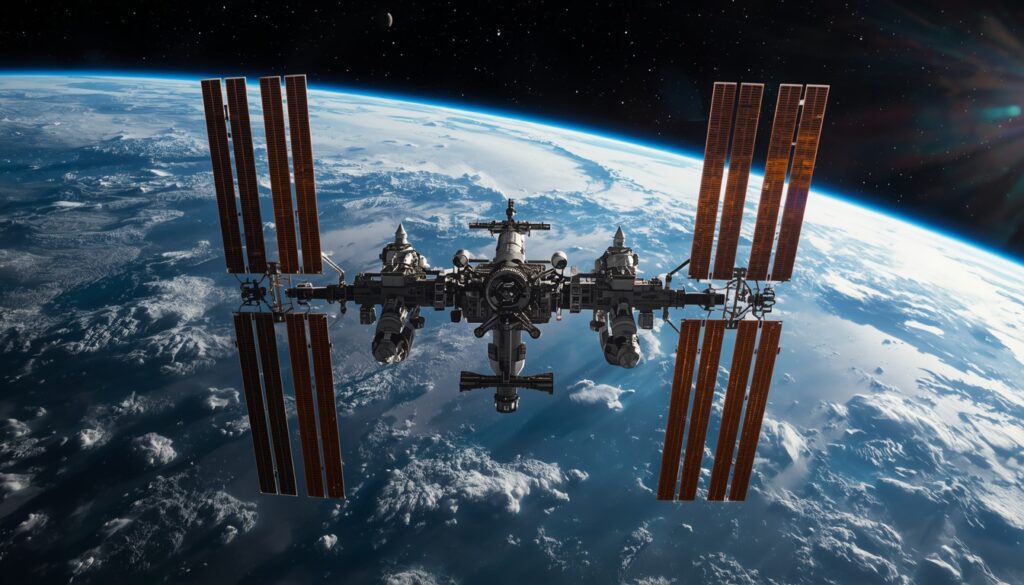
The HALO habitat had recently arrived in the United States for final outfitting when the pause was announced, and Europe’s I-Hab module was still being built in Italy. NASA has said parts of these modules could be redirected toward surface operations, though final decisions are still being worked out with international partners.
How the PPE Was Supposed to Reach the Moon
NASA planned to launch the PPE and the HALO habitat together as a single stack on a SpaceX Falcon Heavy, under a contract awarded in 2021. Once in space, the PPE’s thrusters would have spent months slowly raising the pair to lunar orbit, a trip that takes far longer than a chemical rocket burn but uses much less propellant.
Launching the two modules together saved a separate launch and let the PPE provide power to HALO from the start. It also created a heavy, complex combined spacecraft, and government auditors raised concerns about the stack’s mass and schedule during development.
Electric Propulsion Has Already Proven Itself
The idea behind the PPE is not new. NASA’s Dawn spacecraft used ion engines to orbit two different worlds, the asteroid Vesta and the dwarf planet Ceres, something that would have been nearly impossible with chemical propulsion alone. The Psyche mission, launched in October 2023, is using Hall-effect thrusters similar in principle to the PPE’s to reach its metal-rich asteroid target.
What made the PPE stand out was its scale. Earlier science missions used a few kilowatts of power, while the PPE was designed to handle tens of kilowatts, the kind of capability future cargo tugs will need to move heavy loads between Earth, the Moon and Mars.
What the Pause Means for Partners and Industry
Gateway involved international partners, including Europe, Canada, Japan and the United Arab Emirates, each building hardware in return for crew seats or other benefits. Pausing the station means those agreements are being reworked as NASA shifts toward the surface. For the companies involved, redirecting the PPE toward a Mars concept keeps high-power electric propulsion work alive rather than ending it.
Final Thoughts
The PPE was built for a station that may never fly as planned, but its technology is not wasted. It shows how NASA is reshaping Artemis around landings and a surface base, while reusing what it can for the longer road to Mars.
Keep exploring with our guides to Lunar Gateway habitation module design, Artemis 4 and 5 mission plans and lunar polar orbit vs equatorial orbit. For official information, visit NASA’s Artemis program page.
Frequently Asked Questions
What is the Gateway Power and Propulsion Element?
A solar-electric spacecraft designed to power Gateway and keep it in lunar orbit using efficient xenon-fueled thrusters.
Is the Lunar Gateway cancelled?
NASA paused Gateway in its planned form in March 2026 and redirected funding toward a lunar surface base.
What will happen to the PPE?
NASA plans to reallocate it to support a nuclear-powered Mars mission concept called Space Reactor-1 Freedom.
Who built the PPE?
Maxar Technologies was selected by NASA in 2019 to design and build it.
How powerful is the PPE?
It was designed as a roughly 60-kilowatt solar electric spacecraft, among the most powerful of its kind.