Blue Origin New Shepard Tourist Flights: 8 Remarkable Facts

Blue Origin New Shepard Tourist Flights:
Since its first crewed launch in 2021, Blue Origin New Shepard tourist flights have offered a small but growing number of paying customers the chance to experience space travel firsthand, without the years of astronaut training traditionally required for human spaceflight. These brief suborbital hops have become one of the most visible symbols of the emerging commercial space tourism industry, capturing public imagination in a way few private space ventures have managed before.
1. The Flights Last About Eleven Minutes Total
Despite the enormous preparation and cost involved, these tourist flights are remarkably brief, with the entire journey from launch to landing lasting approximately eleven minutes, including roughly three to four minutes of weightlessness once the capsule crosses above the Karman line, the internationally recognized boundary of space.
2. No Pilot Is Required Onboard
Unlike many other crewed spacecraft, tourist flight operate fully autonomously, with the capsule and booster both controlled from the ground, meaning every seat aboard the capsule is available for paying passengers rather than being occupied by a professional pilot.
3. Passengers Experience Genuine Weightlessness
During the peak of the flight, these tourist flights allow passengers to unbuckle from their seats and float freely inside the spacious capsule cabin, experiencing true weightlessness rather than the brief, less intense floating sensation produced by parabolic flights on modified aircraft.
4. The Capsule Features the Largest Windows Ever Flown in Space
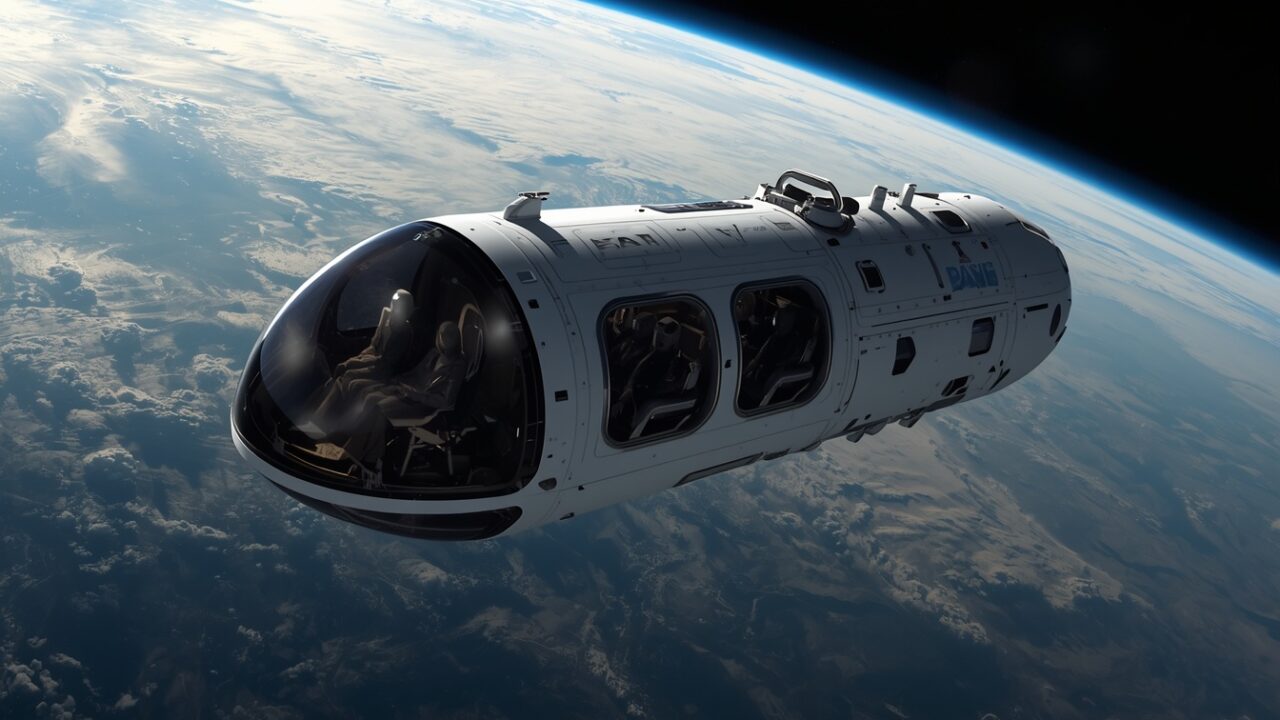
Blue Origin has marketed tourist flight around the capsule’s exceptionally large windows, the biggest ever installed on a crewed spacecraft, designed specifically to give passengers an unobstructed, panoramic view of Earth’s curvature and the blackness of space during their brief time above the Karman line.
5. Minimal Training Is Required Compared to Traditional Astronauts
While professional astronauts spend years preparing for spaceflight, participants in these tourist flights typically undergo only a few days of preparation covering safety procedures, emergency protocols, and basic orientation, reflecting the fundamentally different risk and complexity profile of a brief suborbital hop compared to an orbital mission.
6. Ticket Prices Have Not Been Fully Disclosed
Blue Origin has been notably tight-lipped about exact pricing for these tourist flights, though reported figures and auction results for early flights suggest costs ranging from several hundred thousand to potentially millions of dollars depending on the specific flight and any special circumstances involved.
7. High-Profile Passengers Have Drawn Global Attention
Several celebrity and high-profile passengers have flown aboard Blue Origin New Shepard tourist flights since the program began, generating substantial media coverage that has helped raise public awareness of commercial space tourism as a genuinely accessible, if still extremely expensive, activity.
8. The Program Has Faced Safety Scrutiny After Incidents
Like any developing aerospace program, these tourist flights have faced periods of increased regulatory and public scrutiny following uncrewed test anomalies, prompting temporary flight pauses while investigations were completed, a pattern common across the broader commercial space industry as companies balance rapid development with passenger safety.
Why This Program Matters for the Future of Space Tourism
These tourist flights represent more than just a novelty experience for wealthy customers — they serve as an important proof of concept for the broader commercial space tourism industry, demonstrating that autonomous, reusable suborbital spacecraft can reliably and repeatedly carry paying passengers to the edge of space and back.
The program’s operational track record, including its safety systems and reusable booster technology, provides valuable real-world data that could eventually help make suborbital space tourism more accessible and affordable as the underlying technology matures and competition within the industry increases over time.
How New Shepard Compares to Virgin Galactic’s Approach
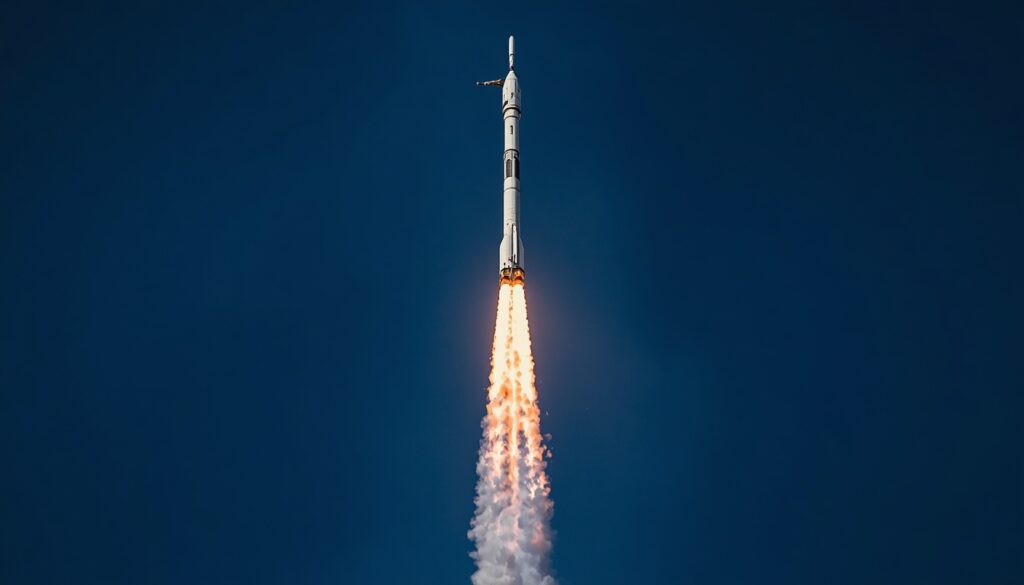
While both Blue Origin New Shepard tourist flights and Virgin Galactic’s spaceplane offer suborbital space tourism experiences, the two companies use fundamentally different vehicle designs — New Shepard launches vertically like a traditional rocket and lands via parachute, while Virgin Galactic’s SpaceShipTwo is air-launched from a carrier aircraft and glides back to a runway landing.
This technical difference also affects the passenger experience, with New Shepard’s vertical launch producing different acceleration forces than Virgin Galactic’s more gradual profile, giving prospective space tourists genuinely distinct options depending on which type of flight experience appeals to them more.
The Broader Economic Impact of Commercial Space Tourism
Beyond the individual passenger experience, tourist flight contribute to a growing commercial space economy that includes manufacturing jobs, tourism-adjacent businesses, and increased public investment interest in space-related ventures. Each successful flight adds to a growing body of evidence that private spaceflight can operate as a sustainable business rather than simply a research or prestige project.
As reusable rocket technology continues maturing across the industry, many analysts expect the cost of suborbital space tourism to gradually decrease, potentially opening these experiences to a wider range of customers beyond the ultra-wealthy individuals who have dominated the passenger manifests during the program’s earliest years of operation.
What It’s Actually Like Inside the Capsule
Passengers who have flown aboard Blue Origin New Shepard tourist flights consistently describe the experience as overwhelming in the best possible way, with the rapid transition from powerful acceleration during launch to complete silence and weightlessness at apogee creating a sensory contrast unlike anything available on Earth. Many describe the view of Earth’s thin blue atmospheric line against the blackness of space as the single most memorable moment of the entire flight.
The psychological impact of seeing Earth from this vantage point has been documented extensively among astronauts and is sometimes called the overview effect, a shift in perspective that many tourist flight passengers report experiencing even during their brief few minutes above the Karman line, describing lasting changes in how they think about environmental and global issues after returning to Earth.
The Launch Site in West Texas
New Shepard flies from Blue Origin’s Launch Site One near Van Horn, Texas. The remote desert location gives the booster and capsule plenty of open space for their separate landings, the booster touching down on a pad and the capsule descending under parachutes nearby. Visitors watch from a viewing area several kilometers away.
The Road Ahead for New Shepard and Space Tourism
Looking forward, Blue Origin has indicated plans to increase flight frequency and potentially expand capsule capacity as demand grows and the underlying booster and capsule technology continues proving its reliability across repeated missions. The company has also discussed potential future applications for the New Shepard system beyond pure tourism, including scientific research payloads that benefit from brief periods of microgravity.
As competition in the commercial space tourism sector intensifies, with multiple companies now offering different suborbital and orbital experiences, these tourist flights will likely continue evolving both in terms of pricing accessibility and the overall passenger experience offered to those willing and able to make the journey.
Keep exploring with our guides to Virgin Galactic space tourism experience, suborbital vs orbital space tourism and space tourism medical requirements. For official information, visit Blue Origin’s official site.
Frequently Asked Questions
How long do Blue Origin New Shepard tourist flights last?
Approximately eleven minutes total, including three to four minutes of weightlessness above the Karman line.
Do Blue Origin New Shepard tourist flights require a pilot?
No, the capsule and booster operate autonomously, freeing every seat for paying passengers.
How much do tickets cost?
Blue Origin hasn’t fully disclosed pricing, though reported figures suggest costs from several hundred thousand to millions of dollars.
How much training do passengers need?
Typically just a few days covering safety procedures and basic orientation, far less than traditional astronaut training.
How does New Shepard differ from Virgin Galactic?
New Shepard launches vertically like a rocket, while Virgin Galactic’s spaceplane is air-launched and glides to a runway landing.