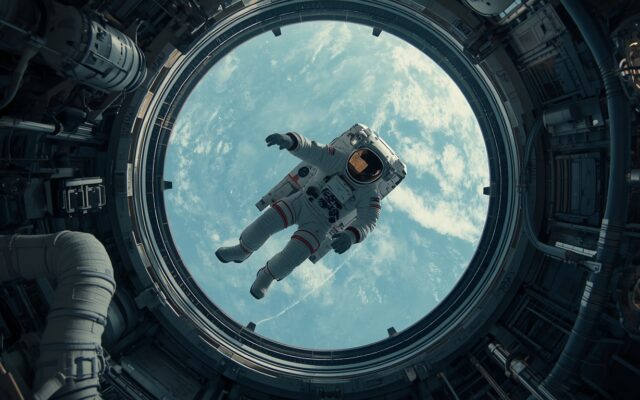
8 Fascinating Realities of Daily Life Aboard ISS
Daily Life Aboard ISS: For the astronauts who call it home for months at a time, daily life aboard ISS…
Author
Daily Life Aboard ISS: For the astronauts who call it home for months at a time, daily life aboard ISS…
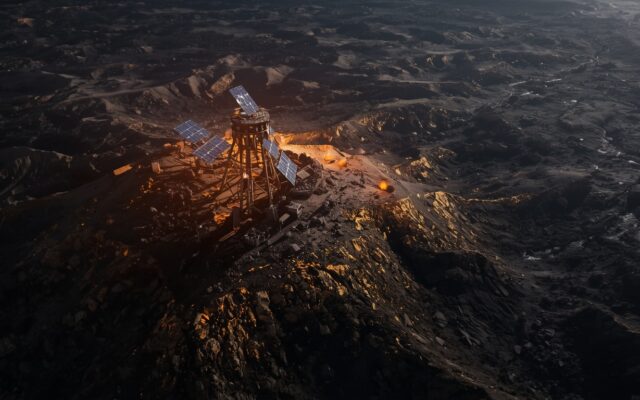
Moon Base Power Generation: Keeping the lights on at a permanent lunar settlement requires far more careful planning than simply…
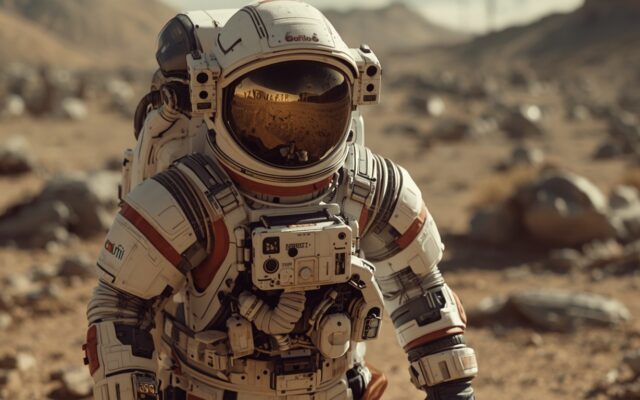
Radiation Protection Spacesuit Technology: Beyond Earth’s protective magnetic field and atmosphere, astronauts face significantly higher radiation exposure than anything encountered…
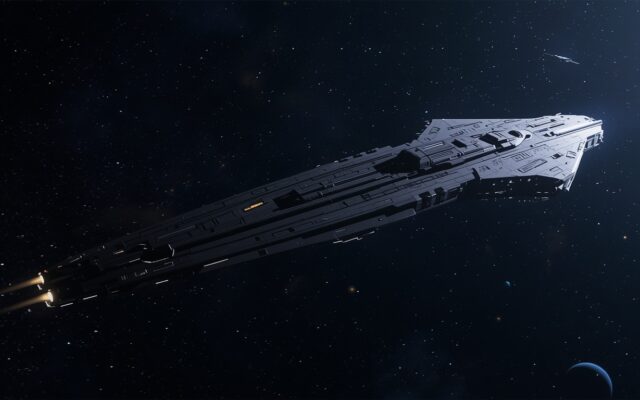
Generation Ships for Deep Space: Some destinations in space are simply too far away to reach within a single human…
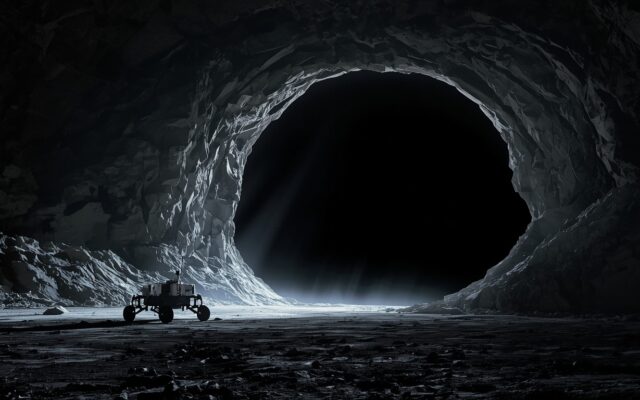
Lunar Lava Tube Habitat: Beneath the Moon’s cratered, radiation-blasted surface lie geological features that could solve some of the biggest…
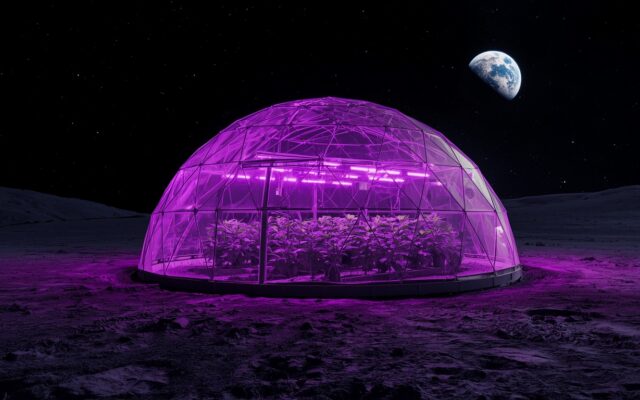
Lunar Greenhouse Growing Food: Just as Mars settlement plans require solving the food production puzzle, any permanent lunar base faces…
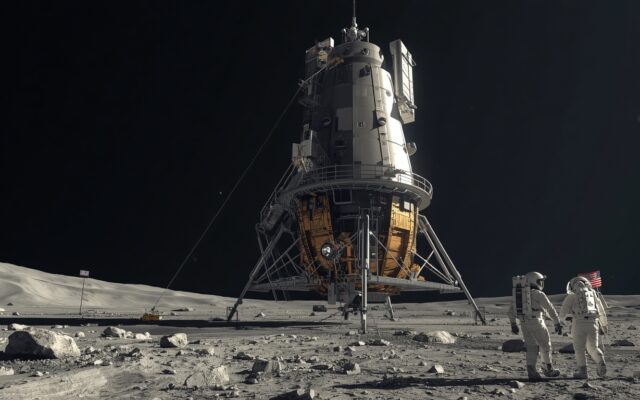
Human Landing System SpaceX Starship: Getting astronauts from lunar orbit down to the Moon’s surface requires an entirely different vehicle…
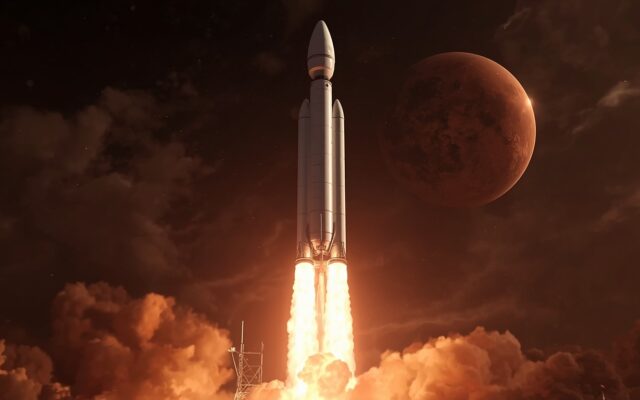
The SpaceX Starship Mars Mission Plan: No private space venture has generated more discussion than the SpaceX Starship Mars mission…
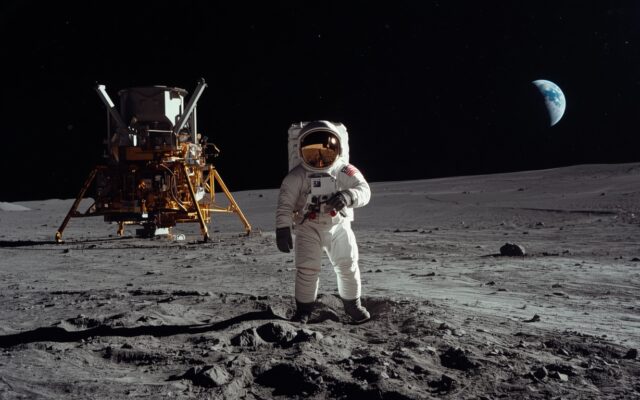
The Apollo 11 First Moon Landing: On July 20, 1969, the Apollo 11 first moon landing achieved what many considered…
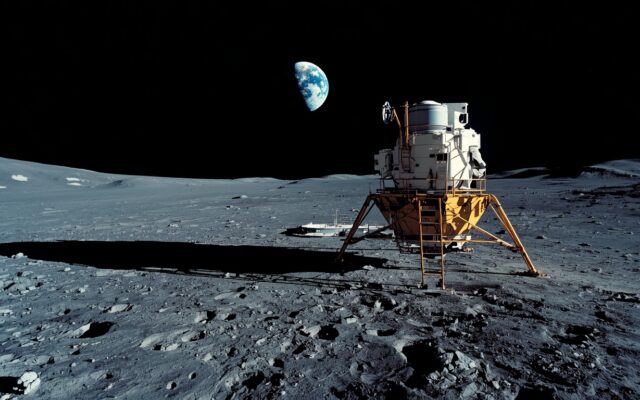
Artemis 3 Moon Landing Explained: For years, the Artemis 3 moon landing was pitched as the mission that would put…
Briefing · FAQ
Artemis II already flew. NASA's Space Launch System lifted off from Kennedy Space Center on April 1, 2026, sending four astronauts on a crewed flight around the Moon aboard Orion. The crew splashed down in the Pacific off San Diego on April 10, 2026, completing humanity's first lunar voyage since Apollo 17.
The four-person crew is NASA commander Reid Wiseman, pilot Victor Glover and mission specialist Christina Koch, joined by Canadian Space Agency astronaut Jeremy Hansen. Glover became the first person of color, Koch the first woman and Hansen the first non-American to travel around the Moon.
A crewed trip to the Moon takes about three days. Apollo astronauts typically reached lunar orbit in roughly 72 to 76 hours, covering about 240,000 miles. Artemis II took longer overall because Orion first checked out its systems in high Earth orbit, and its free-return path around the far side stretched the mission to nearly ten days.
Since 2022, Webb has spotted some of the earliest galaxies ever seen, formed less than 300 million years after the Big Bang. It has detected carbon dioxide, water vapor and other molecules in exoplanet atmospheres, revealed unexpected "little red dot" objects in the early universe, and captured record-sharp infrared images of star-forming nebulae.
NASA plans to retire the ISS around 2030 and guide it into a controlled reentry over a remote stretch of the Pacific Ocean, likely in 2031. A SpaceX-built U.S. Deorbit Vehicle will steer it down so surviving debris falls safely at sea. Commercial space stations are expected to take over research in low Earth orbit.