7 Groundbreaking Advances in Next Generation Spacesuit Technology


Next Generation Spacesuit Technology:
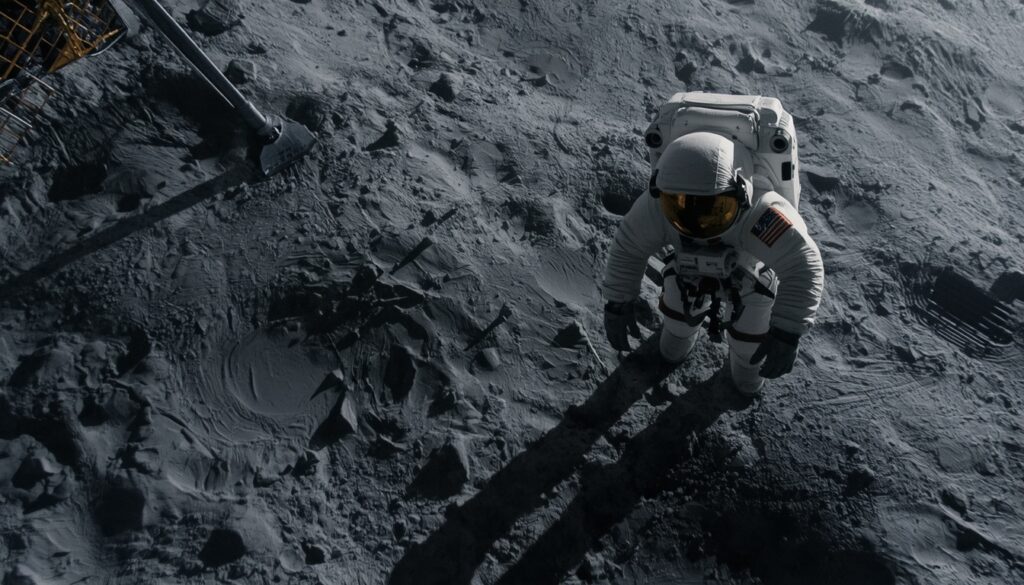
The bulky, stiff spacesuits worn by Apollo astronauts more than fifty years ago are giving way to a completely new generation of gear as NASA and its commercial partners prepare for extended lunar surface operations. Next generation spacesuit technology represents one of the most significant engineering leaps in the entire Artemis program, directly affecting how effectively astronauts can work during multi-day lunar surface missions and how safely they can operate in one of the harshest environments humans have ever attempted to explore.
1. Axiom Space Is Building the Artemis Suits
NASA has partnered with Axiom Space to develop the spacesuit technology that Artemis astronauts will wear on the lunar surface, marking a shift toward commercial development of critical spaceflight hardware that was previously built almost entirely in-house by NASA and its traditional contractors.
2. Mobility Has Improved Dramatically
One of the most noticeable improvements in this spacesuit technology is significantly greater joint flexibility, allowing astronauts to bend, kneel, and reach the ground more easily than Apollo-era suits ever permitted, a critical upgrade given how much sample collection and equipment work future missions will require.
3. New Materials Offer Better Protection
Modern spacesuit technology incorporates advanced materials engineered to better withstand lunar regolith’s notoriously abrasive dust, extreme temperature swings, and micrometeorite risks, addressing durability problems that plagued suits during the Apollo missions after just a few days of surface use.
4. Life Support Systems Are More Compact and Efficient
The portable life support backpack featured in this spacesuit technology has been redesigned to be lighter and more efficient than Apollo-era systems, extending the amount of time astronauts can spend outside their spacecraft while reducing the overall physical burden of wearing the suit in the Moon’s one-sixth gravity.
5. Customizable Sizing Replaces One-Size-Fits-Most Designs
Unlike earlier spacesuit generations that offered limited sizing options, this spacesuit technology is being designed with greater modularity, allowing suits to be better fitted to individual astronauts, including women, who were historically underserved by suit designs originally sized around male Apollo-era astronaut measurements.
6. Advanced Helmets Improve Visibility and Communication
Helmet design has also evolved considerably within this spacesuit technology, incorporating improved visor coatings for better visibility in the Moon’s harsh lighting conditions along with upgraded communication systems that allow clearer audio contact with mission control and fellow astronauts during surface operations.
7. Suits Are Being Designed With Mars in Mind Too
While immediately intended for Artemis lunar missions, engineers developing next generation spacesuit technology are deliberately incorporating design principles that could extend to future Mars missions, recognizing that a Martian surface suit will face different but equally demanding environmental challenges, including a thin but present atmosphere, lower gravity than the Moon, and Mars’s distinct reddish dust composition, which behaves differently than lunar regolith in terms of static charge and abrasiveness.
Why These Upgrades Matter So Much for Artemis
The stakes behind getting spacesuit technology right extend far beyond astronaut comfort. Apollo-era spacesuit limitations directly constrained how long astronauts could safely work outside their spacecraft and how physically demanding tasks like sample collection actually were, sometimes leaving astronauts exhausted after just a few hours of surface activity.
With Artemis missions planning significantly longer surface stays and more ambitious scientific objectives, a spacesuit that allows astronauts to work efficiently for extended periods without excessive fatigue becomes a mission-critical requirement rather than a nice-to-have improvement, directly affecting how much science and exploration each expensive lunar mission can actually accomplish.
The Testing Process Behind These New Suits
Before any astronaut wears next generation spacesuit technology on the actual lunar surface, the suits undergo extensive testing in vacuum chambers, underwater neutral buoyancy facilities, and simulated lunar terrain environments designed to replicate the Moon’s unique combination of low gravity, extreme temperature swings, and abrasive dust exposure.
This rigorous testing regimen reflects hard lessons learned from Apollo, where lunar dust proved far more damaging to suit seals and joints than engineers originally anticipated, causing wear and contamination issues that current designers are working to specifically address through improved sealing technology and dust-resistant materials.
How This Compares to Commercial Spacesuit Development
Beyond NASA’s Artemis-focused efforts, private companies developing suits for commercial space stations and eventual space tourism applications are pursuing their own next generation spacesuit technology, creating a broader ecosystem of innovation that benefits from shared advances in materials science, life support miniaturization, and manufacturing techniques.
This parallel commercial development, while serving different mission profiles than lunar surface exploration, has accelerated the overall pace of spacesuit innovation industry-wide, with breakthroughs in one program frequently informing improvements in others as the broader space industry matures beyond its historically government-dominated origins.
The Cost of Developing Modern Spacesuits
Developing next generation spacesuit technology is remarkably expensive, with estimates for a single flight-ready suit running into the tens of millions of dollars once research, testing, and certification costs are factored in. This price tag reflects the extraordinary engineering challenge of building a miniature, wearable spacecraft capable of keeping a human alive in one of the most hostile environments imaginable.
NASA’s decision to partner with commercial companies like Axiom Space rather than developing suits entirely in-house is partly a response to these ballooning costs, aiming to leverage private sector efficiency and innovation to deliver capable suits without the extended development timelines and budget overruns that have affected some previous NASA-led spacesuit programs over the decades since Apollo.
What Astronauts Themselves Say About the New Design
Astronauts who have tested prototype versions of this spacesuit technology consistently highlight the dramatic difference in mobility compared to suits used aboard the International Space Station or in historical Apollo footage, describing far greater ease when bending at the waist, kneeling to collect samples, or reaching overhead during simulated tasks.
This firsthand feedback loop between astronauts and engineers has become a standard part of the design process, with iterative testing and astronaut input directly shaping refinements to glove dexterity, helmet visibility, and overall suit weight distribution well before any suit is finalized for an actual lunar mission. This close collaboration between the people who will actually wear the suits and the engineers designing them represents a notable shift from earlier eras of spacesuit development, where astronaut feedback often arrived too late in the process to meaningfully influence major design decisions.
A Suit Built to Evolve
Modern spacesuits are designed so parts can be upgraded over time rather than replaced entirely. This approach lets engineers add better batteries, sensors or joints as technology improves, keeping suits useful across many missions.
Looking Ahead to the First Suits on the Moon
As Artemis moves toward its first crewed landing, now planned for Artemis IV in 2028, this spacesuit technology will face its ultimate test in the real lunar environment rather than in Earth-based simulations. Before that, the new xEVA suits are set to be tested on Artemis III in 2027, the culmination of years of design iteration, testing and astronaut feedback.
How well these suits perform on the actual lunar surface will shape spacesuit development for every mission that follows, making this generation of hardware one of the most consequential engineering achievements of the entire Artemis program.
Keep exploring with our guides to lunar spacesuit xEMU design, commercial spacesuit companies beyond Axiom and spacesuit glove dexterity challenges. For official information, visit NASA’s official site.
Frequently Asked Questions
Who is building the next generation spacesuit technology for Artemis?
Axiom Space, under contract with NASA, is developing the suits Artemis astronauts will wear on the lunar surface.
How is next generation spacesuit technology different from Apollo suits?
It offers significantly improved mobility, better sizing options, more efficient life support, and materials better suited to lunar dust exposure.
Will these suits work on Mars too?
Engineers are incorporating design principles intended to extend to future Mars surface suits, though Mars presents distinct environmental challenges.
Why did Apollo suits struggle with lunar dust?
Abrasive lunar regolith damaged suit seals and joints after just a few days of surface use during Apollo missions.
How are new spacesuits tested before missions?
Through vacuum chambers, underwater neutral buoyancy facilities, and simulated lunar terrain designed to replicate the Moon’s unique environmental conditions.
1 comment