Ultimate 7 Key NASA Astronaut Selection Requirements Explained

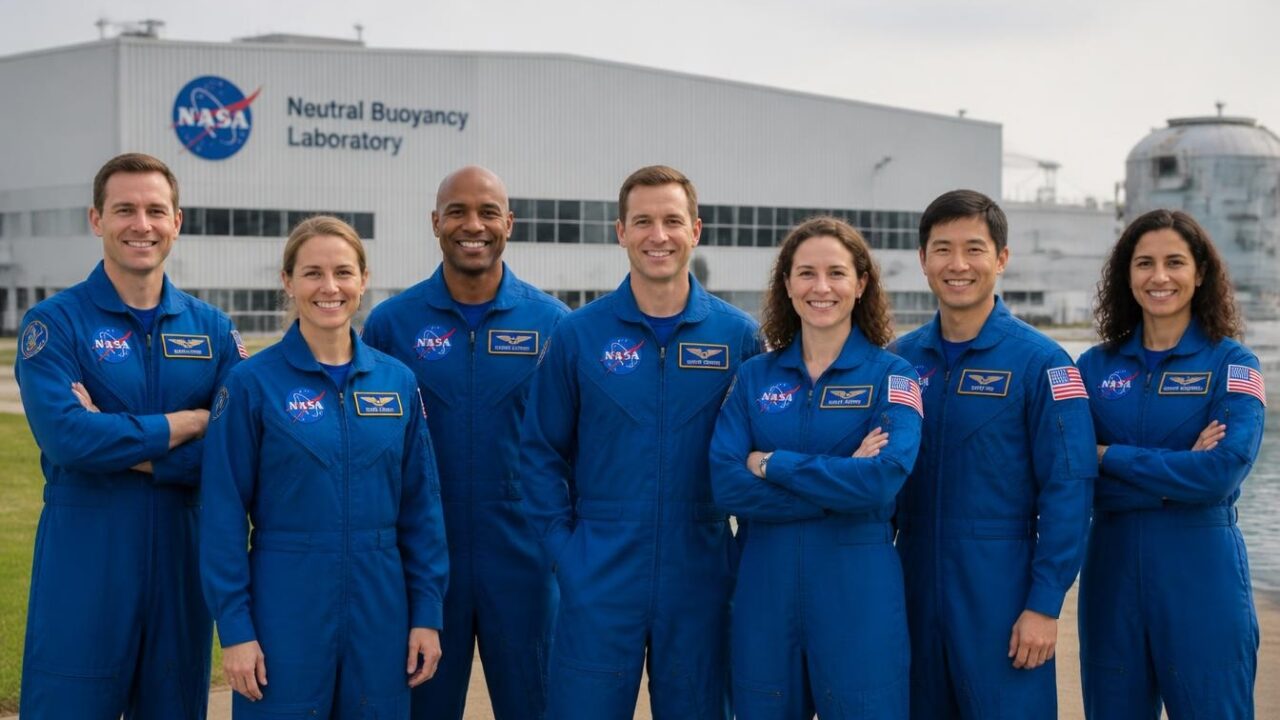
Astronaut Selection Requirements:
Becoming a NASA astronaut ranks among the most competitive career paths in the world, with each selection cycle typically receiving well over ten thousand applications for only a handful of available positions. Understanding NASA astronaut selection requirements reveals just how exceptional a candidate must be to even be considered for the astronaut corps, let alone actually selected for one of the most demanding and rewarding careers in existence.
1. A Bachelor’s Degree in a STEM Field Is Mandatory
Among the baseline NASA astronaut selection requirements is a bachelor’s degree in engineering, biological science, physical science, computer science, or mathematics, with NASA specifically excluding degrees in fields like technology, psychology, or exercise science unless combined with substantial additional coursework in an approved area.
2. Advanced Degrees or Significant Experience Are Expected
Beyond the basic degree requirement, these selection requirements typically favor candidates who hold a master’s degree, have completed a doctoral program, or possess extensive relevant professional experience, reflecting how competitive the applicant pool has become compared to earlier decades of the space program.
3. Substantial Professional Experience Is Required
Selection requirement specify at least three years of related professional experience, or alternatively at least 1,000 hours of pilot-in-command time in jet aircraft for candidates pursuing the pilot astronaut pathway, ensuring every selected candidate brings demonstrated real-world expertise rather than purely academic credentials.
4. Physical Fitness Standards Are Strict but Not Extreme
Contrary to some assumptions, selection requirement don’t demand Olympic-level athleticism, but candidates must pass a rigorous NASA long-duration spaceflight physical, including specific vision, blood pressure, and height requirements that ensure candidates can safely tolerate the physical stresses of launch, spaceflight, and reentry.
5. Height Restrictions Are Tied to Spacecraft Design
One of the more surprising NASA astronaut selection requirements involves height, with candidates generally needing to measure between 62 and 75 inches tall, a range determined by the physical dimensions of spacecraft seats, spacesuits, and emergency egress systems rather than any arbitrary preference.
6. U.S. Citizenship Is Generally Required
Selection requirement mandate U.S. citizenship for candidates applying through NASA’s standard astronaut corps selection process, though NASA does partner with international space agencies whose own astronauts fly aboard NASA missions under separate selection processes managed by their respective countries.
7. The Selection Process Includes Extensive Interviews and Testing
Even after meeting baseline NASA astronaut selection requirements, finalists undergo multiple rounds of interviews, psychological evaluation, medical testing, and background investigation spanning many months, a process designed to assess not just technical competence but also the psychological resilience needed for extended, high-stress missions.
Why These Standards Are So Demanding
The extraordinarily high bar set by these selection requirements reflects the genuine life-or-death stakes involved in human spaceflight, where a single crew member’s physical or psychological limitation could jeopardize an entire mission and the safety of the whole crew. Every requirement, from academic credentials to height restrictions, traces back to specific operational necessities rather than arbitrary exclusivity.
The selection process has also evolved considerably since the original Mercury Seven astronauts were chosen in 1959, expanding well beyond the test pilot background that once dominated the astronaut corps to embrace scientists, engineers, physicians, and other specialists whose expertise directly supports the increasingly complex, science-focused missions NASA conducts today.
How the Odds of Selection Have Changed Over Time
Modern NASA astronaut selection requirements exist within an applicant pool that has grown dramatically more competitive than in earlier eras, with recent selection cycles receiving well over 12,000 applications for as few as ten to twelve available astronaut candidate positions, making the odds of selection dramatically lower than gaining admission to even the most selective universities.
This intense competition means that simply meeting the minimum NASA astronaut selection requirements is far from sufficient — successful candidates typically exceed every baseline standard significantly, often holding multiple advanced degrees, extensive specialized experience, and exceptional performance records in their chosen fields well beyond what the published requirements technically demand.
What Happens After Selection
Candidates who successfully navigate NASA astronaut selection requirements and are chosen for the astronaut corps still face approximately two years of basic training before earning the title of astronaut, covering everything from spacewalk procedures and robotics operation to Russian language instruction for International Space Station operations and wilderness survival training for potential off-target landing scenarios.
This extended training period underscores that meeting NASA astronaut selection requirements represents only the beginning of an astronaut’s journey, not the finish line, with continuous training and skill development remaining a constant feature of an astronaut’s career even after their first successful spaceflight mission.
The Growing Role of International and Commercial Pathways
While traditional NASA astronaut selection requirements remain the primary pathway to the agency’s astronaut corps, the broader landscape of human spaceflight has expanded considerably, with international partner agencies like ESA, JAXA, and the Canadian Space Agency maintaining their own selection processes for astronauts who fly aboard NASA missions under separate agreements. Commercial companies like Axiom Space have also begun selecting and training private astronauts for missions to the International Space Station.
This diversification means that aspiring space travelers now have multiple potential pathways beyond the traditional NASA astronaut corps, though NASA astronaut selection requirements remain the gold standard against which many of these alternative programs measure their own candidate qualifications and training standards, given NASA’s decades of accumulated experience selecting and training astronauts for the most demanding missions ever attempted by any space agency in the world.
Advice From Astronauts Who Made It Through
Astronauts who successfully navigated NASA astronaut selection requirements often emphasize that persistence matters as much as raw qualifications, with many successful candidates having applied multiple times across several selection cycles before finally being chosen. This pattern reflects both the enormous competitiveness of the process and the reality that selection often depends on the specific mix of skills NASA needs for a given class of candidates.
Many successful astronauts also stress that pursuing a genuinely fulfilling career in their chosen STEM field, rather than treating every decision purely as a stepping stone toward astronaut selection, tends to produce the kind of authentic expertise and passion that selection committees are ultimately looking for, more so than simply checking every box on a published requirements list.
Applying Is Free
Anyone who meets NASA’s basic requirements can apply for free through the USAJOBS website when selection opens. Thousands do. The 2021 round alone drew more than 12,000 applications for just 10 spots.
Why This Rigorous Process Benefits Every Mission
Ultimately, the demanding nature of selection requirement exists to protect both the individual astronauts and the enormous public and private investment behind every crewed mission. A selection process this thorough helps ensure that the small number of people entrusted with piloting spacecraft, conducting spacewalks, and representing humanity’s presence in space are genuinely prepared for whatever challenges their missions present.
As NASA prepares for increasingly ambitious Artemis lunar missions and eventual Mars expeditions, these already rigorous selection standards are likely to evolve further, potentially adding new requirements specifically tied to the unique physical and psychological demands of long-duration deep space travel beyond low Earth orbit.
Keep exploring with our guides to astronaut candidate application myths and misconceptions, astronaut selection psychological evaluation and international astronaut corps diversity. For official information, visit NASA’s International Space Station page.
Frequently Asked Questions
What degree do you need to meet NASA astronaut selection requirements?
A bachelor’s degree in engineering, biological science, physical science, computer science, or mathematics is required.
How tall do you need to be to become a NASA astronaut?
Generally between 62 and 75 inches, based on spacecraft seat and spacesuit design constraints.
How many years of experience does NASA require?
At least three years of related professional experience, or 1,000 hours as pilot-in-command of jet aircraft for pilot candidates.
How competitive is NASA astronaut selection?
Recent cycles have received over 12,000 applications for as few as ten to twelve available positions.
What happens after you’re selected as an astronaut candidate?
Roughly two years of basic training follows, covering spacewalks, robotics, language instruction, and survival training before officially becoming an astronaut.